

HEART ATTACK · STENT · CABG SURGERY
Support for Life After a Cardiac Event
Whether it happened to you or someone you love, this is your support system for the journey forward.
[Accepting New Members July 2026]
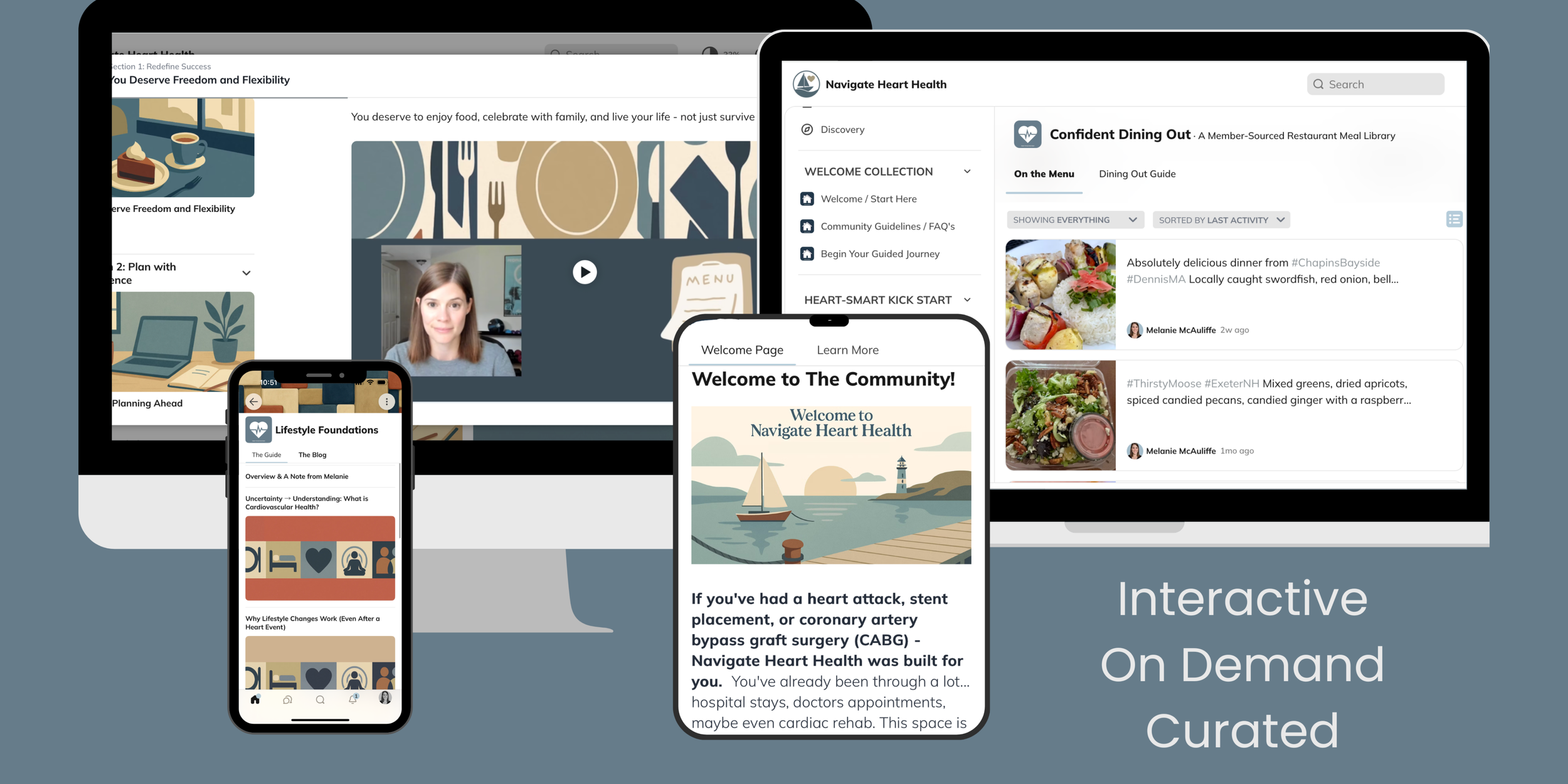
Navigate Heart Health
Private community and expert guidance for life after heart attack, stent, or coronary artery bypass graft surgery (CABG).
Supporting you through the first years after a cardiac event with a clear, step-by-step approach to help lower your risk of another serious heart problem and protect your strength, independence, and quality of life.
Practical solutions: What to eat, exercising safely, maintaining motivation, talking to your doctor, and working through post-event anxiety.
Built-in Momentum: Stay motivated with a community of people who are turning this wake-up-call into a permanent, positive shift in their health.
Meet Your Guide
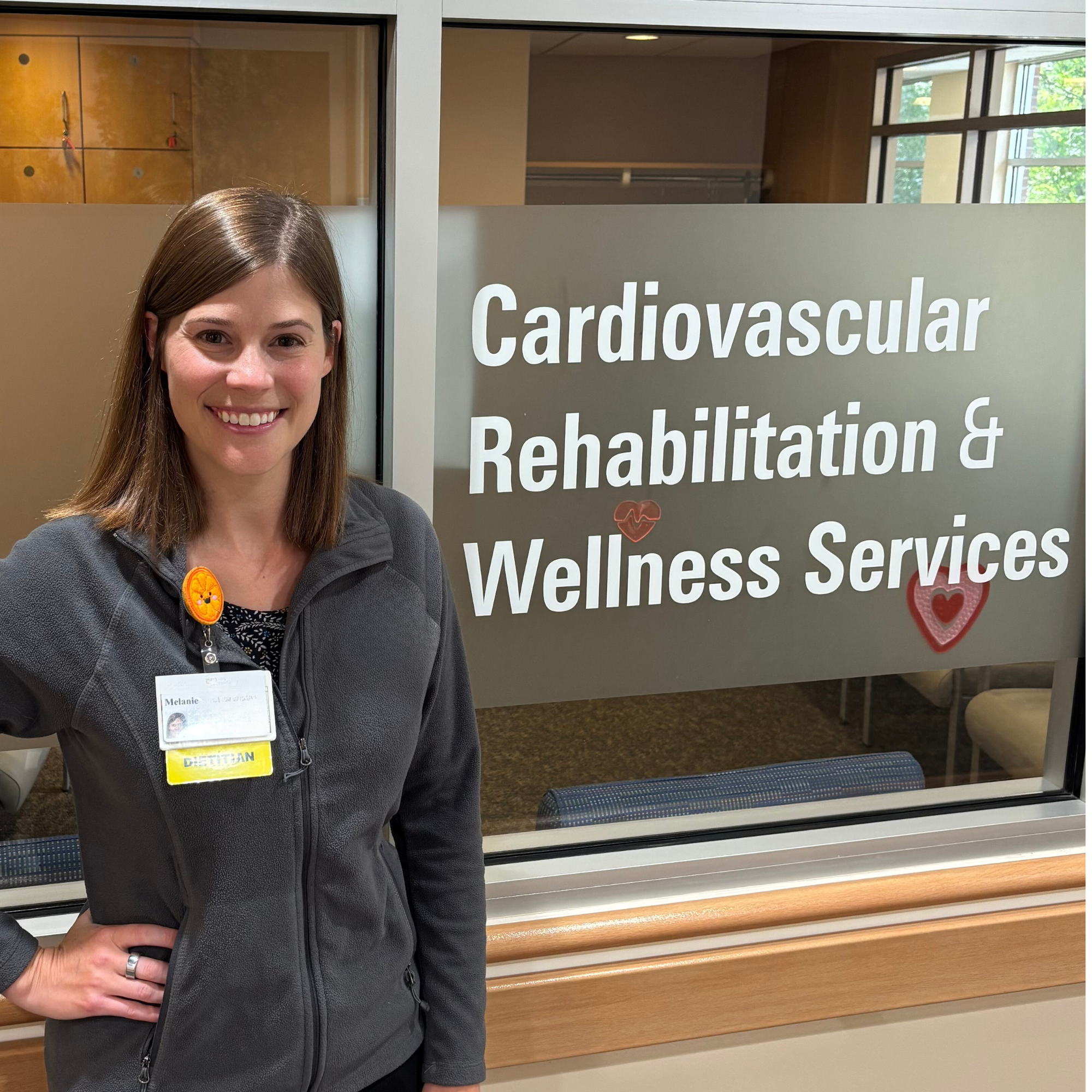
Hi, I’m Melanie McAuliffe!
I’m a Certified Cardiac Rehab Professional and Heart Health Dietitian with more than a decade of experience helping people recover and move forward after heart attacks, stent placements, and bypass surgery.
I’ve worked with thousands of patients during this exact stage of life, helping them move from fear, confusion, and information overload toward greater confidence and a stronger sense of control over their health.
Navigate Heart Health brings that support beyond the hospital and cardiac rehab, helping you turn medical recommendations into a lifestyle that makes you feel energized, proud, and back in control — on your terms.

Choose Your Membership
The Cardiovascular Resilience Membership
$349.00
For 12 Months of Access
For people who have had a heart attack, stent placement, or CABG surgery because of coronary artery disease.
A structured year of expert guidance and community support to help you build the habits that lower your risk of another heart attack or other serious cardiovascular event.
✓ A guided 10-week plan to get started, work through fear and anxiety, and build momentum
✓ New heart-health topics and clear action steps every month
✓ Practical nutrition guidance
✓ Personalized heart-healthy meal plans
✓ Support for making the most of cardiac rehab
✓ Help with restaurants, groceries, and home meals
✓ A private community of people who understand life after a cardiac event
✓ Trusted answers, useful resources, and product recommendations

The Supporters Circle Membership
Coming Soon!
For spouses, family members, and friends helping someone after a heart attack, stent, or CABG surgery.
Learn how to support their recovery, navigate lifestyle changes together, and care for yourself along the way.
Frequently Asked Questions
Still have questions? Take a look at the FAQ or send me an email anytime at melanie@navigatehearthealth.com
-
Navigate Heart Health is a private, clinician-led online community for people recovering from a heart attack, stent placement, or coronary artery bypass surgery, as well as the family members and friends supporting them.
There are two ways to join:
The Cardiovascular Resilience Membership provides expert nutrition guidance, personalized meal planning, cardiac rehab support, practical tools, and connection with others who understand life after a cardiac event.
The Supporters Circle Membership provides guidance, resources, and community for people helping someone they love through recovery.
Together, these memberships provide ongoing support for the lifestyle changes, emotional challenges, and everyday decisions during the first years of recovery, when lifestyle change has the greatest impact on long-term heart health outcomes.
-
Cardiovascular resilience is your heart and blood vessels’ ability to handle the demands of daily life, recover from stress, and adapt over time.
Wherever you are starting from, you can build the strength, healthy routines, confidence, and support system that aid recovery after a cardiac event, protect your long-term heart health, and help you keep living an active, meaningful life.
-
Secondary prevention refers to the medical and lifestyle interventions used to reduce the risk of a second cardiovascular event in people who have already experienced one — such as a heart attack, stroke, stent placement, or bypass surgery. It is distinct from primary prevention, which focuses on reducing risk in people who have not yet had a cardiovascular event. Secondary prevention typically includes medications such as statins, aspirin, and blood pressure treatments, combined with lifestyle modifications including a heart-healthy diet, regular physical activity, smoking cessation, stress management, and weight management. Cardiac rehabilitation is one of the most evidence-based secondary prevention interventions available. Navigate Heart Health is built around supporting secondary prevention through sustainable lifestyle change.
-
This is one of the most common questions people have after a cardiac event, and a completely understandable thing to want to know.
The honest answer is that life expectancy after a heart attack or bypass surgery varies enormously depending on individual factors - the extent of heart muscle damage, the presence of other conditions like diabetes or kidney disease, age, whether the person smokes, and perhaps most importantly, what happens in the months and years following the event.
What the research consistently shows is this: the lifestyle choices made after a cardiac event have a significant and measurable impact on long-term survival. People who complete cardiac rehabilitation, adopt a heart-healthy dietary pattern, manage their blood pressure and cholesterol, stay physically active, and maintain a strong social support network have meaningfully better outcomes than those who do not. These are not small differences, studies show that cardiac rehabilitation alone is associated with a 20 to 30 percent reduction in cardiovascular mortality.
In other words: while no one can give you a specific number, the trajectory of your recovery is not fixed. The choices you make in the first year after a cardiac event, when motivation is highest and the body is most responsive to change, have an outsized influence on where that trajectory goes.
If you are looking for support in making the most of this critical window, Navigate Heart Health was built for exactly this moment.
-
After a heart attack, focus on building a heart-healthy way of eating that you can maintain over time. A Mediterranean-style eating pattern has especially strong evidence for people with established coronary heart disease.
It emphasizes vegetables, fruits, beans, whole grains, nuts, olive oil, fish, and other minimally processed foods, while limiting processed meats, excess saturated fat, added sugar, and sodium. DASH and well-planned plant-forward eating patterns can also be excellent choices and share many of the same foundations.
Your healthcare team may recommend a specific sodium target, particularly if you are managing high blood pressure, heart failure, or another medical condition.
Inside Navigate Heart Health, members receive step-by-step Mediterranean diet education, personalized meal plans through EatLove, practical help with groceries, restaurants, and everyday meals, and ongoing guidance to make this way of eating fit their preferences, schedule, and lifestyle.
-
Navigate Heart Health was founded and is led by Melanie McAuliffe, RDN, LD, CCRP — a Registered Dietitian Nutritionist and Certified Cardiac Rehabilitation Professional. Melanie works in hospital-based cardiac rehabilitation and inpatient clinical nutrition, and brings her direct clinical experience to every aspect of the community. She is actively present in the community, answering questions, providing guidance, and updating content as the evidence evolves.
-
No. Navigate Heart Health is an educational and community support resource and is not a substitute for medical care, cardiac rehabilitation, or the guidance of your healthcare providers. Melanie McAuliffe is a Registered Dietitian and Certified Cardiac Rehabilitation Professional, but her role within Navigate Heart Health is that of an educator and community guide, not a treating clinician. Members are encouraged to work closely with their cardiologist, primary care provider, cardiac rehabilitation team, and other healthcare professionals throughout their recovery. Any specific medical questions or concerns should be directed to your treating providers. Navigate Heart Health is designed to complement and support — not replace — the care you receive from your medical team.